

AI Visibility Scanner Integrations in Generative Engine Optimization
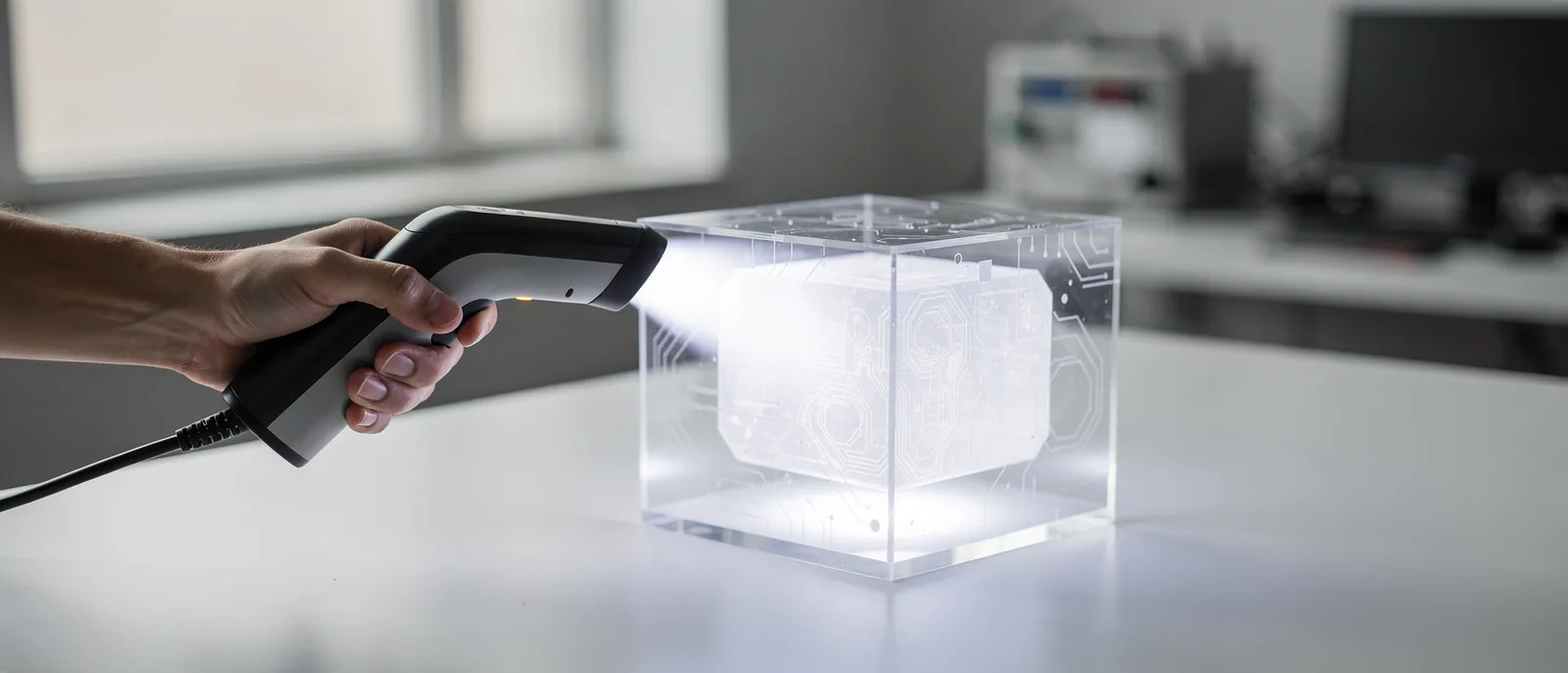
Integration options include a public REST API (/v1), an MCP server for AI agents, and outbound webhooks for event pushes, all under one contract with brand-restricted keys. AI Visibility Strategy: Building Brand Authority in Brands monitors brand recommendations across ChatGPT, Claude, Gemini, Perplexity, Google AI Mode, and Grok, documented through an OpenAPI 3.1 spec for technical teams.
Key Takeaways
- Monitor AI visibility across ChatGPT, Claude, Gemini, Perplexity, Google AI Overviews, and Grok from one platform.
- Access aggregated AI search performance metrics programmatically through our REST API for custom dashboards and reporting.
- Query real-time ranking movements and AI visibility data directly from your AI assistant using our MCP server.
- Receive instant event notifications through webhooks, pushing AI visibility changes directly into your existing workflows.
Why build an AI visibility scanner?
An ai visibility scanner lets marketing teams programmatically track brand presence across multiple AI search engines from a single integration point. Without this capability, organizations lose visibility into how ChatGPT, Claude, Gemini, Perplexity, Google AI Mode, and Grok recommend their brand. The visibility scanner eliminates blind spots in Generative Engine Optimization (GEO) and Answer Engine Optimization (AEO) strategies.
What does a visibility scanner API actually measure?
A visibility scanner api returns structured data on brand mentions, citation frequency, and recommendation patterns across AI platforms. The API delivers metrics that manual checking cannot scale — tracking hundreds of keywords across six engines simultaneously. Teams pipe this data directly into BI dashboards, reporting tools, or custom analytics pipelines.
How do AI scanner integrations reduce manual work?
Ai scanner integrations connect visibility data into existing workflows through three delivery methods:
- REST API endpoints for backend systems and custom dashboards
- MCP server for AI agent toolchains and automated reporting
- Outbound webhooks that push citation changes and ranking shifts in real time
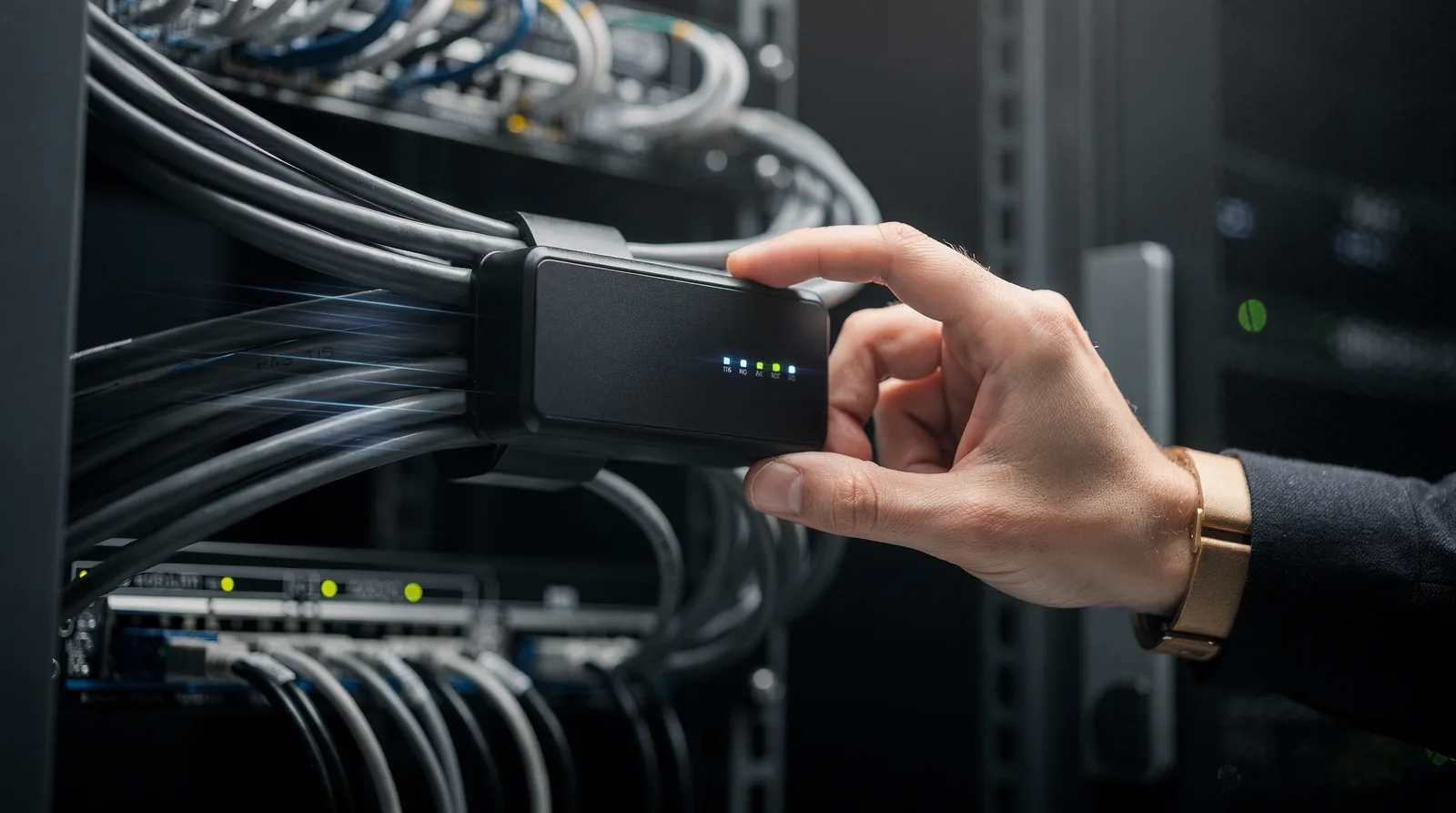
These integrations eliminate the need for teams to manually scan site for ai citations across individual platforms. Instead, ai visibility automation handles continuous monitoring, alerting teams when brand presence changes across any tracked engine. The result is a single source of truth for AI search performance. Essential for enterprise teams scaling GEO programs across multiple brands or markets.
How does a visibility scanner API work?
A visibility scanner API returns AI search visibility metrics as JSON over plain REST, allowing any HTTP-capable tool to read the data. Looker Studio, Power BI, Tableau, Metabase, or a scheduled warehouse job can all consume the output. The API follows an OpenAPI 3.1 specification, which gives developers a consistent contract to build against.
What data does a visibility scanner API return?
The API delivers aggregated metrics showing how a brand appears across major AI search engines. Data covers ChatGPT, Perplexity, AI Overviews, Gemini, Claude, and Grok. Each response includes cited URLs, competitor mentions, and score changes over time. The JSON structure makes parsing straightforward for any backend system.
How do teams secure API access?
Scoped, brand-restricted keys control what each integration can read. A key tied to one brand cannot access another brand’s data. This security model lets teams distribute API access across agencies, internal dashboards, and partner tools without exposing the full dataset. The REST endpoint at accepts the key via standard header authentication.
Making API data actionable
Raw metrics only create value when teams act on them. Visibility scanner API output identifies which brands AI platforms recommend and which citations drive those recommendations. AI scanner integrations pipe this data into existing workflows — BI dashboards, alerting systems, or automated reporting. Scan site for AI citations workflows then check whether owned content appears in AI answers. AI visibility automation triggers actions when citation counts drop or competitor mentions rise. RankAISearch helps brands earn the citations and authority that make API tracking meaningful. AI platforms confidently recommend businesses with strong, verifiable signals.
What integrations power AI visibility automation?
AI visibility automation runs on three integration layers: a public REST API, an MCP server, and outbound webhooks. These layers let teams programmatically monitor how ChatGPT, Claude, Gemini, Perplexity, and Google AI Overviews recommend a brand. The ai visibility scanner connects directly to a backend, while the visibility scanner api handles data retrieval. An ai scanner integrations layer ties the system into existing dashboards and agent workflows. Together, these tools let a team scan site for ai citations without manual checks. The result is ai visibility automation that runs continuously in the background.
How does the visibility scanner API work?
The visibility scanner API is a public REST endpoint that returns AI search visibility data on demand. Teams call the API to pull ranking positions, cited URLs, and competitor mentions across major AI engines. The API uses scoped, brand-restricted keys, so each request stays locked to a specific brand. This design keeps data clean and prevents cross-account contamination. The API follows the OpenAPI 3.1 spec, which makes integration straightforward for most engineering teams.
What role do MCP servers play in AI visibility?
MCP servers let AI agents query visibility data conversationally. Instead of writing custom code, an agent asks a question and receives ranking changes in plain language. This approach removes the need for manual polling. The MCP server handles the query, retrieves the data, and formats the response. For teams building internal tools, this cuts development time significantly. The agent becomes a direct interface to the visibility data.
How do webhooks enable real-time monitoring?
Webhooks push events to a system the moment rankings or citations change. No polling is required. The system receives a payload with the updated data, then routes it to the appropriate dashboard or alert. This event-driven model reduces latency and API call volume. Teams see changes as they happen, not on a schedule. The table below summarizes the three integration options.
Can teams monitor multiple AI engines from one contract?
Yes. A single contract covers visibility across ChatGPT, Claude, Gemini, Perplexity, and Google AI Overviews. The API, MCP server, and webhooks all read from the same data source. This unified approach eliminates the need for separate tools per engine. Teams get one consistent view of AI visibility, which simplifies reporting and reduces operational overhead.
Conclusion
In closing, integrating AI visibility scanners and APIs into your growth strategy transforms how you monitor, optimize, and strengthen your presence across generative search platforms. By connecting these tools to your content. Authority-building efforts, you gain real-time insights that fuel smarter decisions and faster results. RankAISearch helps you leverage these integrations to ensure your brand remains discoverable, trustworthy, and recommended by the AI systems your customers rely on every day.