

Fintech SEO for Trading Software: Technical SEO & Growth Guide
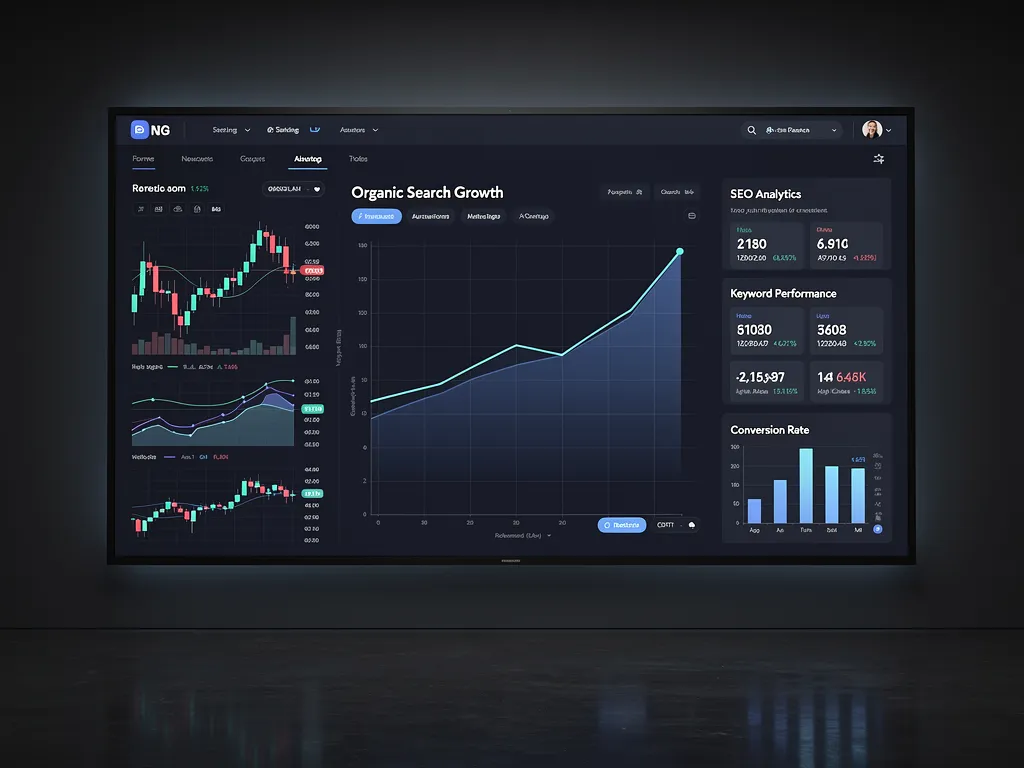
For trading software companies, paid search can feel like a race you can’t afford to keep running. Keywords around trade copiers, algorithmic trading tools, prop firm software and trading platforms often cost well into double digits per click, and competitors are bidding on the same terms.
Organic search offers a different path. Once your pages rank, every visit costs nothing extra, and traffic compounds over time. But trading software is a technical, competitive and trust-sensitive niche, so organic growth depends on strong technical SEO, deep expertise and a clear acquisition strategy.
This guide explains how fintech SEO works for trading software companies, and how to turn organic search into consistent demo and trial signups.
Quick answer: how do trading software companies grow through fintech SEO?
- Fix technical foundations first: crawlability, speed, site structure and structured data
- Map content to the full buyer journey, from problem awareness to software comparison
- Target bottom-of-funnel comparison and “best software” queries
- Build in-depth guides and documentation that prove technical expertise
- Strengthen trust signals, because trading is a finance-related topic held to high standards
- Track demo requests, trials and revenue, not just traffic
Why organic search matters for trading software
Fintech and trading software sit among the most expensive categories in paid search. With clicks in this space often costing $20 to $50, a modest paid campaign can consume budgets quickly, and costs rise further as competition grows.
Organic search changes the economics:
- Lower cost per acquisition over time: rankings keep sending traffic without per-click costs
- Compounding returns: strong content keeps working for months or years
- Higher trust: many traders trust organic results and expert content more than ads
- AI search visibility: strong organic content also feeds AI tools that traders use to research software
With paid search clicks reaching premium rates in trading software, organic search becomes the most sustainable acquisition channel. In the Copiix SEO Case Study, we break down the playbook used to take a technical trading platform from crawling stagnation to consistent organic demo signups, including a 62% increase in appearances in Google’s AI answers.
Organic search vs paid search: comparing the economics
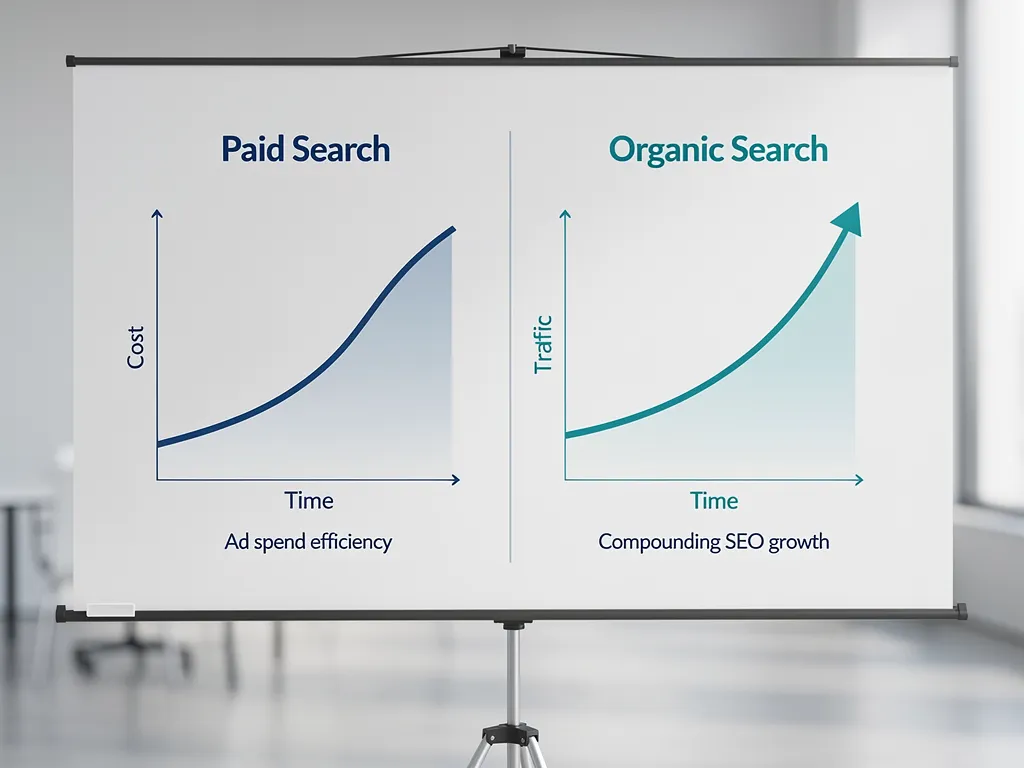
Here’s how the two channels compare side by side:
Most trading software companies benefit from both, using paid search for immediate demand and organic search for sustainable growth.
Step 1: Fix the technical foundations
Technical issues can stop even excellent content from ranking. Common problems for trading software sites include:
- Firewall or bot protection rules that block search engine crawlers
- Slow pages caused by heavy scripts and dashboards
- Important content locked behind logins or loaded only with JavaScript
- Redirect chains left over from migrations
- Duplicate or overlapping pages competing with each other
Our guide on diagnosing 403 crawler blocks and redirect chains explains how to find and fix crawl issues. If several pages target the same topics, our guide on fixing keyword cannibalization can help.
Step 2: Map content to the buyer journey
Trading software buyers move through clear stages:
- Problem awareness: “how to copy trades between multiple MT4 accounts”
- Solution research: “what is a trade copier?”
- Requirements: “trade copier for prop firm accounts with risk management”
- Comparison: “best MT4 trade copier software”
- Decision: “[your product] pricing” or “[your product] vs [competitor]”
Each stage needs dedicated content. Many companies focus only on top-of-funnel education and miss the comparison and decision queries that drive signups.
Step 3: Target bottom-of-funnel comparison keywords
Comparison and “best” queries are where buyers make decisions. Examples include:
- “Best MT4 trade copier software”
- “Best trade copier for prop firms”
- “MT4 to MT5 trade copier”
- “[Competitor] alternatives”
- “[Your product] vs [competitor]”
To win these queries:
- Publish fair, detailed comparison pages with clear criteria
- Show features, pricing, supported platforms and limitations honestly
- Include screenshots, setup steps and real use cases
- Update comparisons when products change
Balanced comparisons build trust and are more likely to be cited by AI tools than one-sided sales pages.
Step 4: Build technical depth
Trading software buyers are technical. Content that proves expertise includes:
- Setup guides: step-by-step installation and configuration
- Documentation: clear, crawlable help articles
- Troubleshooting guides: solving common errors and edge cases
- Performance explainers: latency, execution speed and reliability
- Use-case guides: prop firm trading, signal providers, account management and more
Connect these pages through a strong internal structure. Our guide on internal linking architecture for B2B and fintech SaaS explains how to connect documentation, downloads and comparison guides.
Step 5: Strengthen trust signals
Trading is closely tied to financial outcomes, so search engines and users expect strong trust signals:
- Named authors with trading or development experience
- Clear company information, support details and policies
- Transparent pricing and terms
- Reviews on independent platforms
- Realistic claims, without promises of profit
- Mentions from respected trading and fintech publications
Our guide to fintech and forex SEO covers trust barriers in more depth.
Step 6: Use structured data
Structured data helps search engines understand your software and content:
- SoftwareApplication: product details, operating systems, pricing and ratings
- FAQPage: common questions on product and comparison pages
- HowTo or TechArticle: setup and documentation content
- Organization: company details and official profiles
Our article on whether schema markup helps your content get cited by AI explains the role of structured data in AI search.
Step 7: Optimize for AI search
Traders increasingly ask ChatGPT, Perplexity and Google AI Overviews which software to use. To appear in those answers:
- Keep product information consistent across your website, directories and review sites
- Structure content with clear answers and specific facts
- Earn mentions in trading communities and publications
- Track AI citations for your key comparison queries
Our AI SEO services combine traditional SEO with AI visibility.
Step 8: Measure acquisition, not just traffic
Track the metrics that matter:
- Organic demo requests, trials and signups
- Conversion rates by page type
- Rankings for bottom-of-funnel comparison queries
- AI citations and share of voice
- Organic contribution to revenue
- Cost per acquisition compared with paid search
Choosing a fintech SEO partner
Look for a partner with:
- Proven results in fintech or trading verticals
- Technical SEO capability, including crawl and security diagnostics
- Experience with comparison and bottom-of-funnel content
- Understanding of trust and compliance requirements
- AI search optimization capability
Build an acquisition channel that compounds
Trading software companies can’t rely on expensive paid clicks forever. A strong technical foundation, content mapped to the buyer journey and well-built comparison pages can turn organic search into a steady source of demos and signups.
RankAISearch helps trading software and fintech platforms build sustainable organic and AI search acquisition. Read the full Copiix case study, or contact our team to plan your fintech SEO strategy.
Frequently asked questions
What is fintech SEO?
Fintech SEO is search engine optimization for financial technology companies. It combines technical SEO, expert content, trust signals and authority building, adapted to the high quality standards applied to finance-related topics.
Why should trading software companies invest in SEO?
Paid clicks in trading software can be very expensive. Organic search builds traffic without per-click costs, compounds over time and helps build trust with technical buyers.
What keywords should trading software companies target?
Focus on the full buyer journey, with special attention to bottom-of-funnel queries such as “best MT4 trade copier software”, competitor alternatives and direct product comparisons.
How important is technical SEO for fintech platforms?
Very important. Security settings, heavy scripts, login-locked content and redirect chains can stop search engines crawling and ranking your pages, even when content is strong.
How long does SEO take for trading software companies?
Technical fixes can improve crawling within days or weeks. Building strong rankings for competitive comparison queries usually takes three to six months or more.
Does AI search matter for trading software?
Yes. Traders increasingly use AI tools to research and compare software. Consistent product information, clear content and trusted mentions help trading software appear in AI answers.