

Latency-Driven SEO for Forex VPS: Data Center & Broker Pages

For algorithmic traders, latency isn’t a technical detail. It’s the difference between an order filling at the expected price and slipping against them. Expert advisor users, scalpers and prop firm challenge traders all search for one thing when choosing a server: the lowest, most reliable connection to their broker.
That makes latency one of the most powerful content themes for forex VPS providers. Traders search for specific locations, data centers, platforms and brokers. Providers who turn server proximity and broker ping times into clear, indexable pages can capture some of the highest-intent traffic in the market.
This guide explains how to build latency-driven SEO pages that rank and convert, using the framework behind our work with CheapForexVPS.
Quick answer: how do forex VPS providers use latency to drive SEO?
- Create dedicated pages for each data center location and the trading hubs it serves
- Build broker-specific pages showing measured latency to each broker’s trading servers
- Publish real, regularly updated latency benchmarks with a clear methodology
- Target long-tail queries such as “low latency VPS for [broker]”
- Connect location, broker and platform pages through a clear internal structure
- Include conversion elements, such as plans, setup steps and trials, on every page
Why latency matters to traders
Latency is the time it takes for data to travel between a trading server and a broker’s server. Lower latency can mean:
- Faster order execution
- Reduced slippage on fast-moving markets
- More reliable performance for scalping and high-frequency strategies
- Consistent execution for expert advisors running around the clock
Many brokers host their trading servers in major financial data centers. A VPS located in the same facility or nearby can reduce latency significantly compared with trading from home.
Turning latency into indexable pages
Algorithmic traders care about one metric above all: execution latency. By turning server proximity and broker ping times into indexable, high-intent landing pages, we established deep topical authority. Read how this technical latency content framework in our CheapForexVPS Case Study drove sustainable traffic growth, including 56% year-over-year growth in Google clicks.
The framework has three layers:
- Data center location pages
- Broker-specific latency pages
- Platform and use-case pages
Layer 1: Data center location pages
Many forex brokers run their trading servers in a small number of major financial data centers, including:
Each location you offer deserves a dedicated page that includes:
- The data center and city your servers run in
- Which markets and brokers the location suits
- Measured latency benchmarks to nearby trading servers
- Available plans and specifications
- Setup steps and how quickly servers are deployed
Location pages target searches such as “forex VPS New York”, “London VPS for trading” or “VPS near NY4”.
Layer 2: Broker-specific latency pages
Broker pages capture some of the highest-intent searches, such as “low latency VPS for IC Markets” or “best VPS for Pepperstone”. A strong broker page includes:
- The broker’s trading server locations, where publicly known
- Your recommended server location for that broker
- Measured latency from your servers to the broker’s servers
- Supported platforms for that broker, such as MT4, MT5 or cTrader
- Setup tips for connecting to the broker
- A clear plan recommendation and call to action
Only state latency figures you have actually measured, and explain how they were measured. Accuracy matters: traders can test latency themselves, and inaccurate claims quickly damage trust.
Layer 3: Platform and use-case pages
Supporting pages cover:
- Platforms: MetaTrader VPS, MT5 VPS and cTrader VPS
- Use cases: expert advisors, copy trading, scalping and prop firm challenges
These pages link to relevant locations and brokers, creating a connected structure.
Publishing latency benchmarks
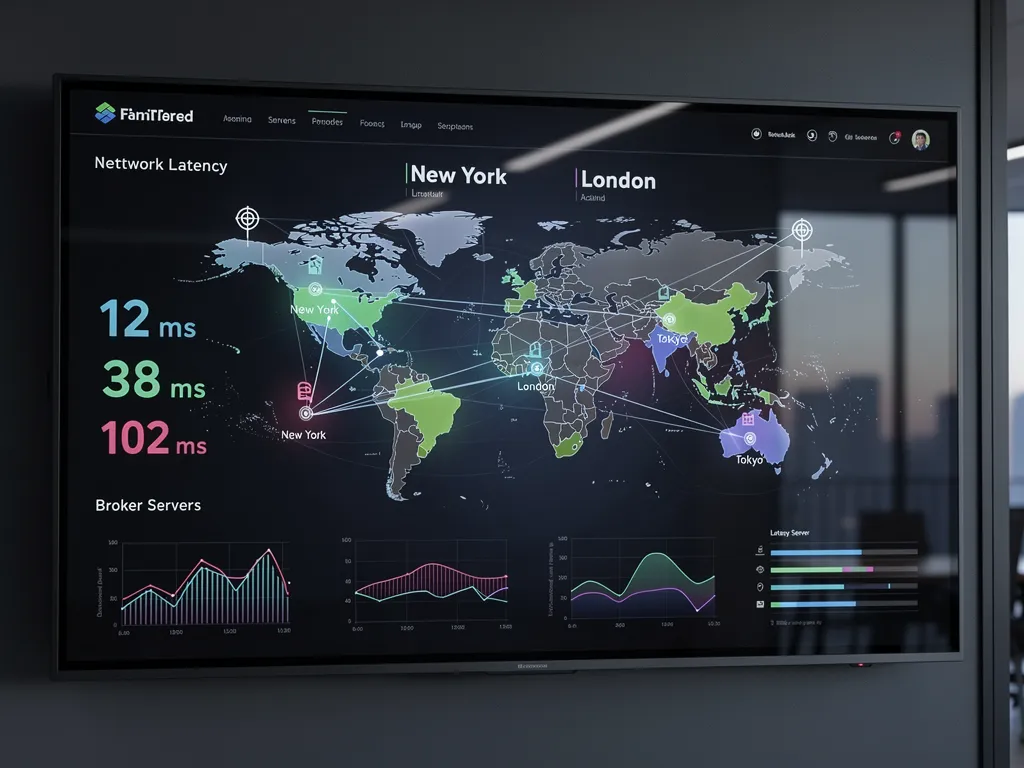
Benchmarks are the heart of latency-driven SEO. To make them credible:
- Measure regularly: latency can change as networks change
- Explain your methodology: test tools, times, number of samples and whether figures are averages or minimums
- Show the date: label when benchmarks were last updated
- Be specific: show results per location and per broker server
- Present data cleanly: use simple, consistent formats with units in milliseconds
Benchmarks also make your content attractive to AI search tools and to traders who reference them in forums and communities. Our guide on how to structure content so AI quotes it directly covers formatting.
Avoid thin programmatic pages
Programmatic pages work well when each page offers genuinely unique, useful information. They fail when they only swap a broker or city name into the same template. Each page should include:
- Unique latency data
- Specific setup guidance
- Relevant FAQs for that broker or location
- Context on which traders the option suits
Thin, duplicated pages can trigger quality issues and compete with each other. Our guide on how to fix keyword cannibalization explains how to avoid overlap.
Build a connected structure
Link the layers together:
- Location hubs link to every broker page served by that location
- Broker pages link back to their recommended location and relevant platform pages
- Platform and use-case pages link to recommended locations and brokers
- All pages link to plan and pricing pages
This structure helps search engines understand your topical depth. Our guide on how website structure affects AI search explains why this matters.
Optimize for conversions
Latency pages attract traders close to a decision. Make it easy to act:
- Show recommended plans directly on each page
- Include pricing and key specifications
- Explain how quickly a server is ready
- Offer trials, refund guarantees or onboarding support where available
- Add trust signals such as reviews and uptime information
Add structured data
Use FAQPage for broker and location FAQs, Product and Offer for plans, and Organization for company details. Our guide on structured data for AI search covers implementation.
Optimize for AI search
Traders increasingly ask AI tools “Which VPS has the lowest latency to broker]?” Clear, specific, data-backed pages are well suited to these questions. Our guide on [winning AI Overviews in niche tech verticals explains the formatting that helps AI tools cite your benchmarks.
Measuring success
Track:
- Rankings for location and broker queries
- Organic conversions from latency pages
- Click-through rates on long-tail broker searches
- AI citations for latency-related questions
- Engagement with benchmark data
For the broader strategy behind these pages, see our guide on dominating high-CPC hosting search results.
Turn technical data into organic growth
Latency is what traders care about most, and it’s measurable. Forex VPS providers that publish accurate benchmarks and build connected location, broker and platform pages can capture high-intent searches competitors miss.
RankAISearch helps hosting and fintech infrastructure providers turn technical data into organic and AI search growth. Read the full CheapForexVPS case study, or contact our team to plan your latency content strategy.
Frequently asked questions
What is a low latency forex VPS?
A low latency forex VPS is a virtual private server located close to a broker’s trading servers, often in the same data center, to minimize the time orders take to reach the broker.
Why do traders search for broker-specific VPS options?
Brokers host their trading servers in specific data centers. Traders want a VPS close to their broker’s servers to reduce latency and slippage.
What are NY4, LD4 and TY3?
They are major financial data centers in New York, London and Tokyo where many brokers and trading venues host servers.
How should forex VPS providers publish latency data?
Measure latency regularly, explain the methodology, label results with dates and present figures per location and broker server in milliseconds. Only publish figures you have measured.
Can programmatic broker pages hurt SEO?
They can if they’re thin or duplicated. Each page should include unique latency data, specific guidance and relevant FAQs.
Is a MetaTrader VPS the same as a forex VPS?
A MetaTrader VPS is a forex VPS set up to run MetaTrader 4 or 5. Many forex VPS plans support several trading platforms.