

Expanding From Singapore to Southeast Asia: A Regional GEO Guide
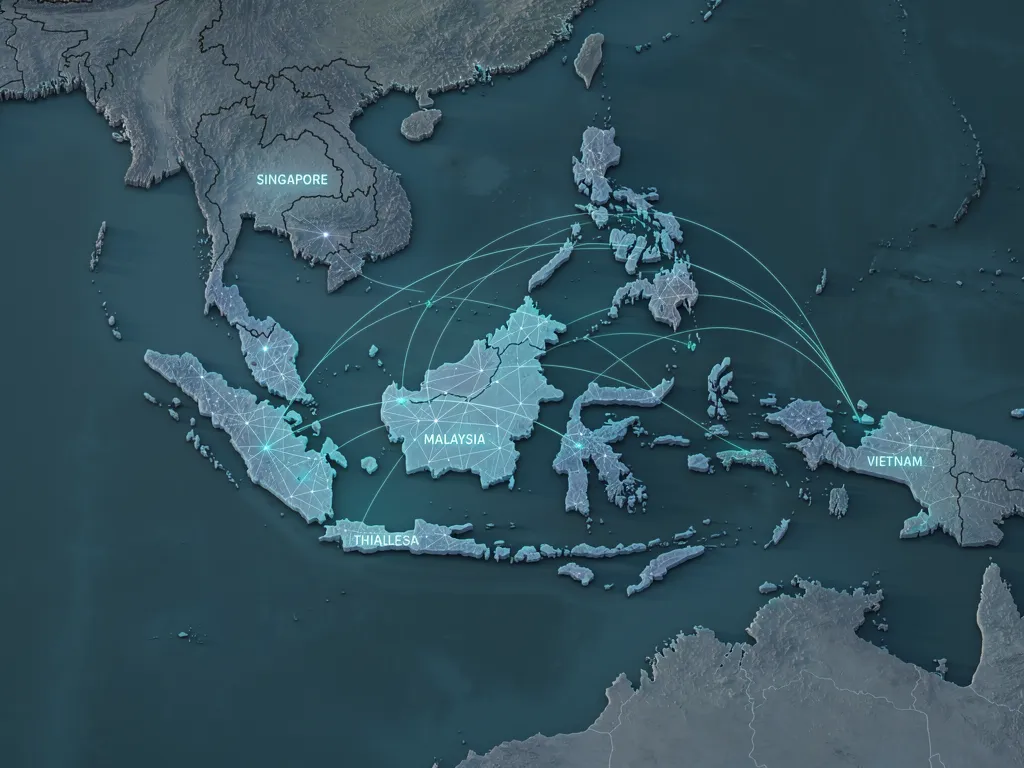
Singapore is often the launchpad for regional growth. Many brands start here, build a reputation, then expand into Malaysia, Indonesia, the Philippines, Thailand and Vietnam. As they do, customers in each new market increasingly research them by asking AI tools.
The challenge is that AI visibility doesn’t automatically travel across borders. A brand that ChatGPT recommends confidently in Singapore may be invisible to customers asking similar questions in Jakarta or Manila. AI tools may even mix up your Singapore entity with a local office, or give outdated information about your regional presence.
This guide explains how to build AI visibility across Southeast Asia, and how to avoid the common mistakes brands make when expanding from Singapore.
Quick answer: how do Singapore brands build AI visibility across Southeast Asia?
- Treat each market separately, with its own prompts, sources and languages
- Create clear country pages with local details, services and contact information
- Publish content in the languages customers use in each market
- Build local citations, reviews and media coverage in every country
- Make the relationship between your Singapore entity and regional offices clear
- Track AI visibility for each market rather than relying on Singapore results
Why AI visibility doesn’t travel automatically
AI tools build answers from the sources most relevant to the question. When someone in Kuala Lumpur asks for “the best payroll software for Malaysian SMEs”, AI tools look for Malaysian sources: local media, local reviews, local comparison sites and pages that clearly mention Malaysia.
If your brand’s online presence is mostly Singapore-focused, AI tools may not connect you to that market. Our article on the AI search blind spot that will decide Asia’s next decade of brands explores this challenge across the region.
How markets differ across Southeast Asia
Each market has its own language mix, preferred platforms and trusted sources.
Malaysia

English, Malay and Chinese are all widely used. Customers may search in any of them depending on the topic. Local media, review sites and community discussions matter, as do Malaysian-specific comparison and marketplace platforms.
Indonesia
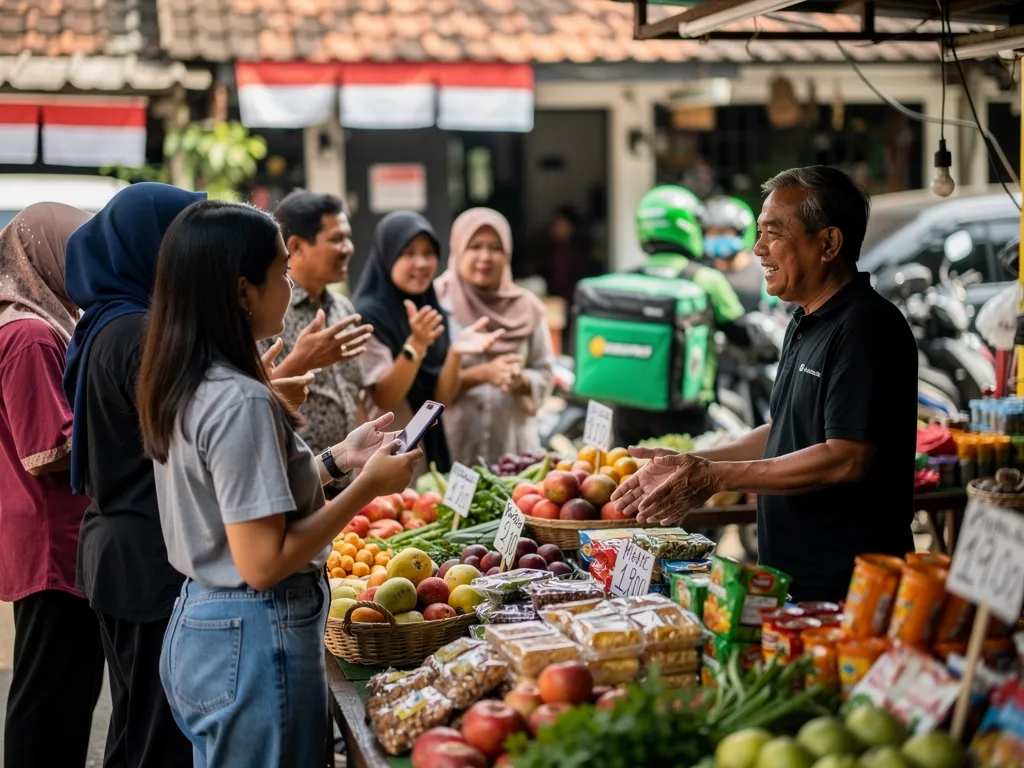
Bahasa Indonesia dominates everyday search. Content only in English may miss most of the market. Indonesian media, marketplaces and community platforms carry significant weight.
The Philippines

English is widely used alongside Filipino. Social and community platforms are especially influential, and local media coverage helps build credibility.
Thailand and Vietnam

Thai and Vietnamese are the main search languages. Local-language content, media and platforms are essential for visibility.
Across all these markets, mobile use is high, and AI tools are increasingly used inside apps.
Step 1: Research prompts for each market
Don’t assume Singapore prompts apply everywhere. Build a separate prompt list for each market, covering:
- The local language or languages customers use
- Local terms, place names and regulations
- Local competitors and comparison questions
For example, a Singapore HR software company might track “best HR software for SMEs in Singapore”, “software HR terbaik untuk UKM di Indonesia” and “best payroll software Philippines”. Our guide on prompt research explains how to build these lists.
Step 2: Build clear country pages
Each market needs its own clearly structured pages. A strong country page includes:
- Your local entity name and registration details where relevant
- Local office address and contact details
- Services or products available in that market
- Local pricing, currency and payment options where appropriate
- Local customer examples or case studies
- Content in the local language
Use a clear website structure, such as country subfolders, and hreflang tags to show which pages serve which country and language. Our guide on how URL structures affect whether AI crawlers can read and cite your pages covers the technical side.
Step 3: Keep your entity structure clear
Regional expansion often creates confusion. AI tools may mix up your Singapore headquarters with regional subsidiaries, list the wrong address for a country or describe services you don’t offer in that market.
To avoid this:
- Use consistent brand names across markets, with clear local entity names where needed
- Explain your regional structure on your website, such as “headquartered in Singapore with offices in Kuala Lumpur and Jakarta”
- Use Organization structured data to connect your main brand with local entities and offices
- Keep each local Google Business Profile and listing accurate
Learn more about LLM entity optimisation and knowledge graph optimisation.
Step 4: Build local authority in each market
The off-site signals that make you visible in Singapore need to be rebuilt in each market:
- Local media coverage: expert commentary and stories in each country’s business and industry media
- Local reviews: genuine customer reviews on platforms used in that market
- Local directories and associations: chambers of commerce and industry bodies
- Local communities: relevant forums and discussion platforms
- Local partnerships: partners who mention and link to you
Our guide on off-site authority for AI search explains which signals matter most.
Step 5: Publish local-language content
English content can work in Singapore, Malaysia and the Philippines, but most Southeast Asian customers search in their own language for many topics. Prioritise:
- Key service and product pages
- Frequently asked questions
- Market-specific guides, such as local regulations, costs or processes
Use professional translation and local review. Content written for local needs performs far better than a direct translation of Singapore content.
Step 6: Track visibility by market
Measure AI visibility separately for each country. Track:
- Brand mentions and citations for each market’s prompts
- Accuracy of country-specific information
- Local competitors appearing in answers
- Which local sources AI tools cite
Our guide to multi-platform AI search optimisation explains how to monitor visibility across different AI tools.
Common regional GEO mistakes
- Assuming Singapore visibility covers the region
- Publishing English-only content for markets that search in local languages
- Unclear entity structure that confuses AI tools
- Ignoring local media and review platforms
- Using machine translation without review
- Tracking only Singapore prompts
Build AI visibility across Southeast Asia
Regional growth needs regional visibility. Brands that treat each market on its own terms, with local content, local authority and clear entity information, are far more likely to be recommended by AI tools across Southeast Asia.
RankAISearch helps Singapore-based brands plan and build AI visibility across the region. Start with our GEO services in Singapore, or contact our team to discuss your regional strategy.
Frequently asked questions
Does AI visibility in Singapore help in other Southeast Asian markets?

Only partly. AI tools look for sources relevant to each market and language. A strong Singapore presence helps brand recognition, but you usually need local content, citations and coverage in each market.
Do I need content in local languages for regional GEO?

For most Southeast Asian markets, yes. Customers in Indonesia, Thailand and Vietnam mostly search in local languages, and Malaysian customers often use Malay or Chinese for certain topics.
How do I stop AI tools confusing my Singapore and regional entities?

Explain your regional structure clearly on your website, use consistent brand names, connect entities with Organization structured data and keep each local listing accurate.
Which AI platforms matter in Southeast Asia?

ChatGPT, Google Gemini and Google AI Overviews are widely used across the region, alongside other assistants. Usage varies by country, so test your prompts on the platforms customers in each market use.
Should I create separate websites for each country?

Not necessarily. Many brands use one website with clear country subfolders and hreflang tags. What matters most is clear, local content for each market.
Where should I start with regional GEO?

Start with your highest-priority new market. Build a local prompt list, create a strong country page, set up local listings and begin building local reviews and media mentions.