

Which Singapore SMEs Does AI Recommend? Key Signals Explained

Ask ChatGPT, Gemini or Perplexity for “the best tuition centre in Bishan”, “a reliable aircon servicing company in Woodlands” or “a good accountant for a small business in Singapore”, and you’ll usually get a short list of names.
Some SMEs appear again and again in these answers. Others, often with similar services, prices and quality, never appear at all. The difference usually isn’t luck or advertising budget. It comes down to a set of signals that AI tools look for.
This guide looks at what separates the Singapore SMEs that AI tools recommend from those they leave out, and what smaller businesses can do to close the gap.
Quick answer: why does AI recommend some Singapore SMEs and not others?
SMEs that AI tools recommend usually have:
- Clear, specific information about what they do, who they serve and where they operate
- Consistent business details across their website, Google Business Profile and directories
- A steady flow of genuine, detailed customer reviews
- Mentions on trusted third-party sources such as media, directories and community discussions
- Websites that AI crawlers can access and understand
- Content that directly answers the questions customers ask
Why this matters for Singapore SMEs
AI answers usually name only a few businesses. For SMEs, that makes visibility all-or-nothing: you’re either on the shortlist or you’re not.
The good news is that many Singapore SMEs haven’t started optimising for AI search yet. In many local categories, a small business that gets the basics right can become a regular recommendation before larger competitors catch up. Our article on whether small businesses need AI search optimisation explores why SMEs can compete.
Pattern 1: Recommended SMEs are specific
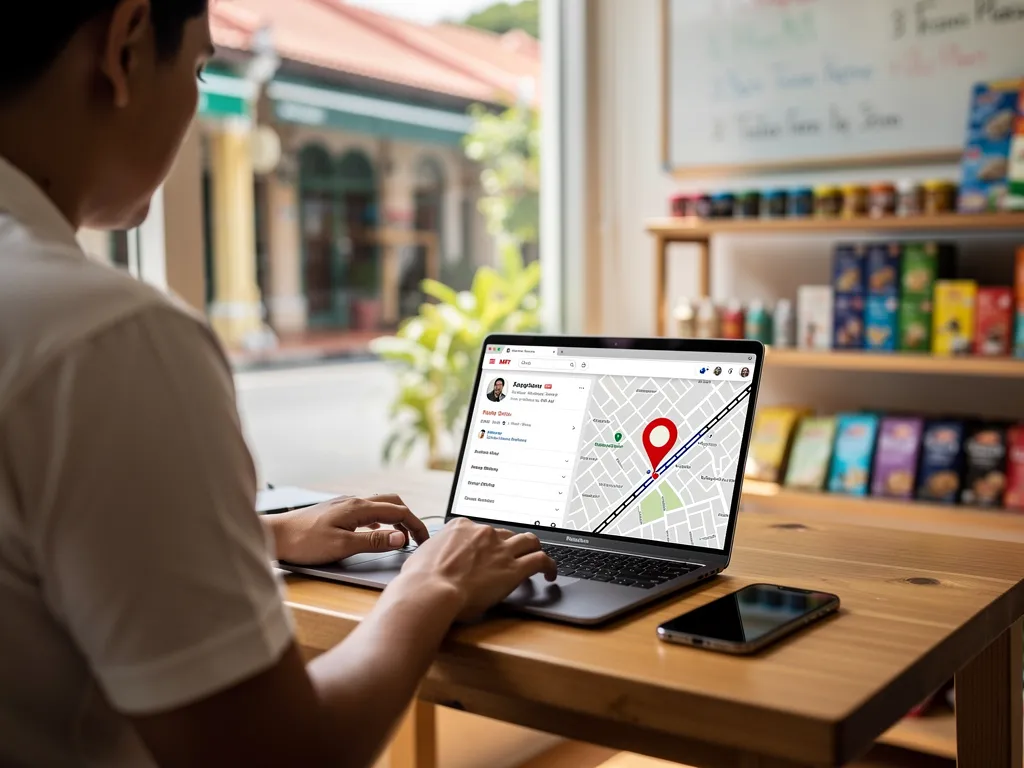
AI tools match businesses to questions. The more specific your information, the more questions you can match.
SMEs that get left out often describe themselves in general terms: “quality renovation services”, “professional accounting solutions” or “experienced tutors”.
SMEs that get recommended state clearly:
- The exact services they offer
- The customers they serve, such as HDB owners, startups or primary school students
- The areas they cover, such as estates, districts or MRT stations
- What makes them different, such as weekend availability, specific expertise or languages spoken
A tuition centre that says “PSLE Maths and Science tuition for Primary 5 and 6 students, five minutes from Bishan MRT” gives AI tools far more to work with than one that says “quality tuition for all levels”.
Pattern 2: Recommended SMEs have consistent details
AI tools trust businesses whose information is the same everywhere. SMEs often have:
- Old addresses on directories after moving
- Different business name versions on different platforms
- Outdated opening hours or phone numbers
- Closed outlets still listed
These inconsistencies make AI tools less confident, and sometimes lead them to share wrong information. Our guide on what ChatGPT gets wrong about Singapore businesses covers how to fix this.
Pattern 3: Recommended SMEs have strong reviews
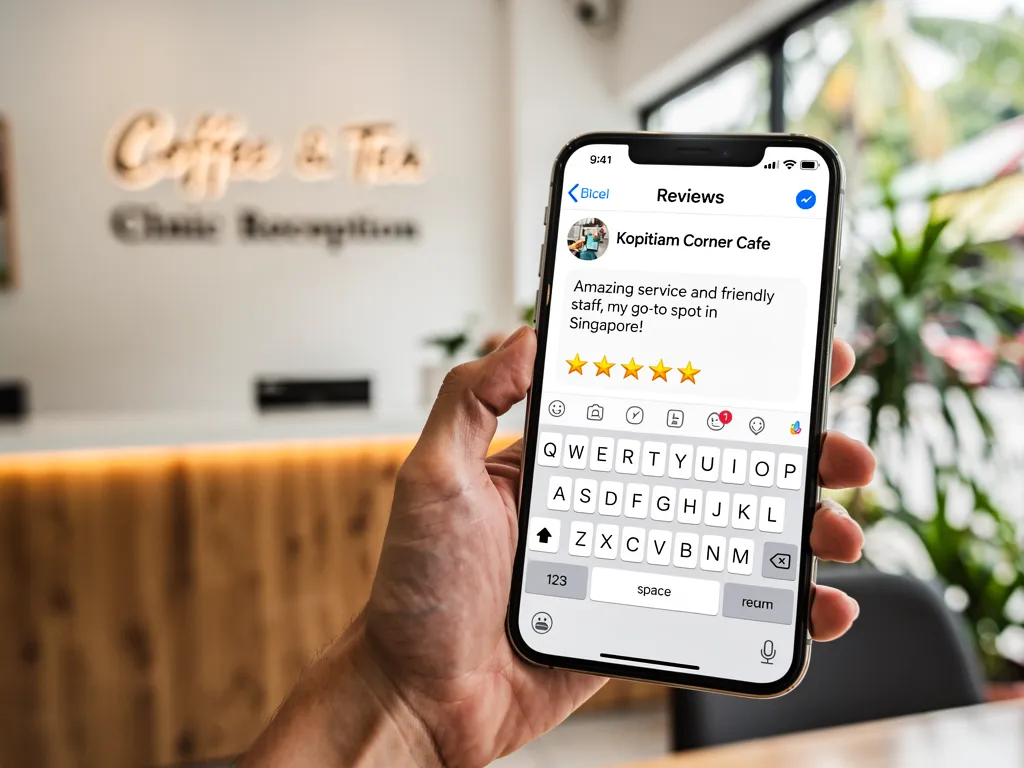
Reviews are one of the clearest signals of customer experience. SMEs that AI tools recommend typically have:
- A steady flow of recent reviews, not just a burst from years ago
- Detailed reviews that mention specific services and outcomes
- Professional responses to both positive and negative feedback
Reviews matter especially for Google Gemini and AI Overviews, which draw heavily on Google’s local data. Learn more about how online reviews affect whether AI recommends a brand.
Pattern 4: Recommended SMEs are mentioned elsewhere
AI tools look for confirmation beyond your own website. SMEs that get recommended are usually mentioned on:
- Local news, business or lifestyle media
- Industry directories and association listings
- Comparison or review platforms in their sector
- Community discussions on Reddit, HardwareZone forums or Facebook groups
Even a handful of credible mentions can make a big difference for a small business. Our guide to Singapore websites and directories AI tools trust explains where to focus.
Pattern 5: Recommended SMEs have accessible websites
Some SMEs are invisible to AI tools for technical reasons. Common problems include:
- Websites that block AI crawlers through robots.txt or security settings
- Key information shown only in images, PDFs or social media posts
- Very slow or broken pages
- Missing structured data
A simple, fast website with clear text and LocalBusiness structured data is often enough. Our guide on how to control which AI crawlers can access your site explains the basics.
Pattern 6: Recommended SMEs answer real questions
AI tools favour content that directly answers questions. Recommended SMEs often have:
- Clear service pages with prices or price ranges
- FAQ sections based on real customer questions
- Short guides on common topics, such as “how often should you service your aircon in Singapore?”
Answering questions well makes your content more likely to be quoted and your business more likely to be named. Our guide on how to structure content so AI quotes it directly shows how.
How these patterns differ by industry
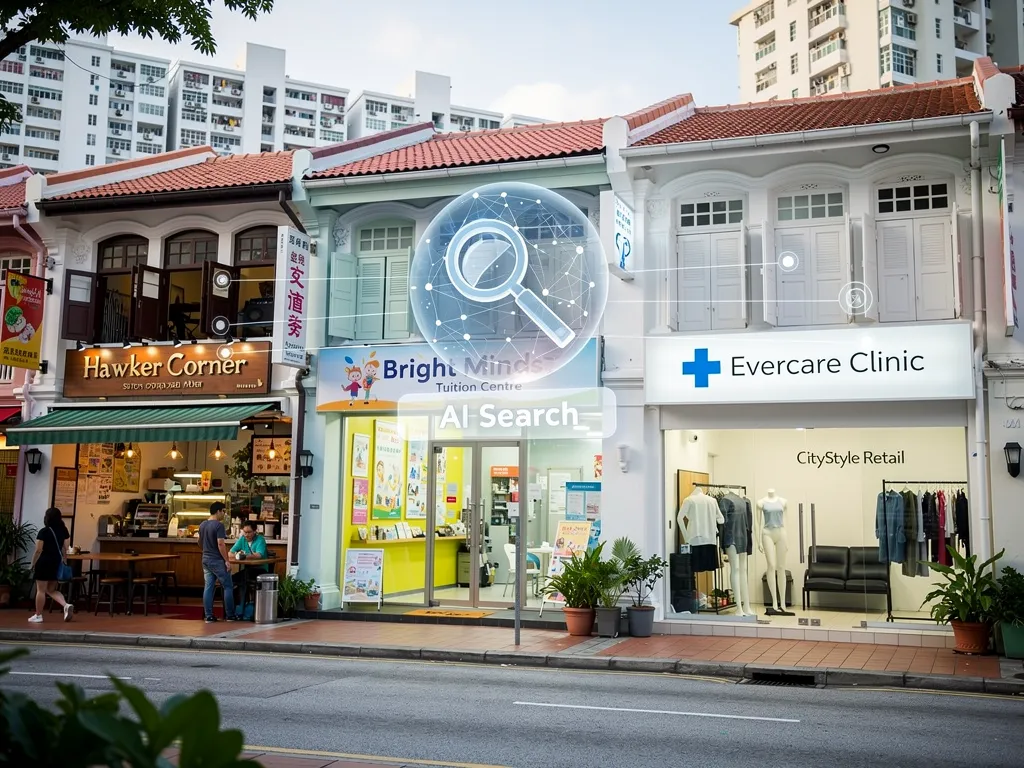
The same principles apply everywhere, but priorities shift by sector:
How to check where your SME stands
- Write down 20 to 30 questions your customers would ask AI tools
- Test them in ChatGPT, Gemini, Perplexity and Google AI Overviews
- Note which businesses are named and which sources are cited
- Compare those businesses with yours using the six patterns above
Our free AI visibility scanner can speed up this check, and our AI visibility report template helps you record the results.
A simple action plan for SMEs
- Week 1: Fix your business details everywhere and complete your Google Business Profile
- Week 2: Rewrite your main service pages to be specific about services, customers and locations
- Week 3: Add FAQs and LocalBusiness structured data, and check AI crawler access
- Week 4: Start a simple review request process
- Ongoing: Build mentions through local media, directories and community participation
Join the businesses AI recommends
The SMEs that AI tools recommend aren’t always the biggest or the best known. They’re the ones whose information is clear, consistent and trusted. Most of these signals are within reach of any small business.
RankAISearch helps Singapore SMEs understand and improve their AI visibility. Explore our GEO agency services in Singapore, or contact our team for an AI visibility audit.
Frequently asked questions
Why does ChatGPT recommend my competitor but not my business?
Your competitor may have clearer service information, more consistent business details, stronger reviews or more mentions on trusted third-party sites. Comparing your business with theirs across these signals usually reveals the gaps.
Can a small business in Singapore compete with big brands in AI answers?
Yes, especially for specific, local questions. Small businesses that are clear about their services, locations and customers can win narrow prompts that big brands don’t target.
What is the fastest way for an SME to improve AI visibility?
Fix inconsistent business details, complete your Google Business Profile, make your service pages specific and start collecting genuine reviews. These steps are low-cost and often show results quickly.
Do SMEs need a big budget for GEO?
No. Many of the most important improvements, such as accurate details, clear service pages and reviews, can be done in-house. Larger budgets help with media coverage, content and ongoing tracking.
How often should SMEs check their AI visibility?
Monthly is ideal, and at least every quarter. Check again after major changes such as moving, launching new services or rebranding.
Does having a website matter if I’m active on social media?
Yes. AI tools often rely on websites for clear, structured information. Social media helps, but a fast, clear website with accurate details remains important.